Hey there! If you’ve ever lived or worked near a busy highway, a bustling industrial park, or a construction zone, you know how much of a game-changer acoustic noise barriers can be. But let’s be real—most of the chatter around these barriers focuses on their ability to muffle road rumble or factory clatter, not what happens when humidity levels skyrocket. As a noise barrier supplier who’s been in this game for over 10 years, I’ve fielded so many questions about high humidity and our products: Do the panels warp? Do they lose their sound-blocking power? Does all that extra moisture turn a solid barrier into a flimsy mess? Today, I’m breaking down exactly how acoustic noise barriers work in humid areas—no overly jargon-heavy stuff, just real-world, on-the-ground insights I’ve picked up working with clients from Florida to Singapore to the Pacific Northwest. Acoustic Noise Barrier
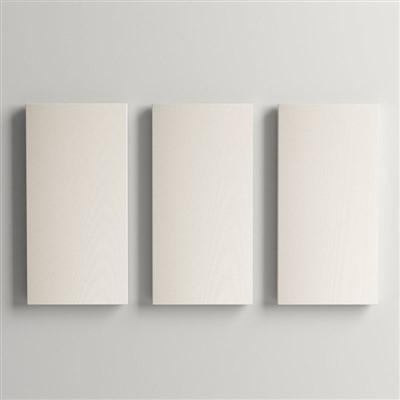
First, let’s keep it simple: how do acoustic noise barriers work in general, right? At their core, they’re designed to interrupt sound waves, which travel through air (or any medium) as pressure vibrations. When a sound wave hits a barrier, three main things can happen: it’s absorbed, it’s reflected, or it passes through (that’s called transmission loss, or TL if you want to be technical). A good noise barrier prioritizes two of those: absorption and reflection. Thick, dense panels reflect a lot of sound back toward the source, while porous, textured panels trap and cancel out vibrations inside their material, so less gets through to the other side.
But here’s the thing—humidity doesn’t just mean a little dampness in the air. We’re talking about places where relative humidity (RH) hits 80, 90, even 95% for days, weeks, or months on end. That’s a game-changer for materials, because moisture plays havoc with almost every common noise barrier component. Let’s start with the materials we use most for outdoor barriers: concrete, metal, wood composites, and plastic or fiberglass. Each reacts differently to high humidity, and that reaction directly impacts how well the barrier works.
Let’s talk about the biggest myth I hear all the time: “High humidity makes noise barriers weaker or less effective.” From what I’ve seen over the years, that’s only partially true—if you pick the wrong materials. I once worked on a job in Tampa, Florida, a few years back, where the client initially went with cheap, generic wooden composite panels. Within a year, those panels were warped, swelled up so bad they didn’t fit flush, and some had started to rot around the edges. The TL (that sound-blocking number) dropped by almost 12 decibels in those spots, because the warped gaps let sound leak right through. We replaced those with our HDPE (high-density polyethylene) acoustic panels, and three years later, they’re still going strong. So why is HDPE such a hero in humid areas?
It’s all about how the material interacts with moisture. Porosity is the key here. If a panel is porous—meaning it has tiny, invisible gaps in its structure—humid air will seep into those gaps, get trapped, and cause problems. For wood composites, those gaps are super common; the wood fibers absorb moisture, swell, and break down over time. Even concrete, which people think of as rock-solid, has micro-pores that absorb water vapor, leading to cracking and degradation when temperatures swing (which they do a lot in humid areas). Metal? Well, steel and aluminum will rust when exposed to constant high humidity and salt air (coastal areas are the worst for this) unless they’re coated right.
That’s where our team’s expertise comes in, honestly. We don’t just sell one-size-fits-all noise barriers—we engineer them for the specific conditions a client is dealing with, and high humidity is non-negotiable on that list. Let’s break down how our barriers actually perform in those sticky, muggy climates step by step.
First, sound wave interaction with humid air. Wait, I know that sounds off-topic, but hear me out—humid air isn’t the same as dry air when it comes to carrying sound. Water vapor is less dense than nitrogen and oxygen, right? So sound waves travel slightly faster in humid air than dry air. Wait, but does that affect how a barrier works? Studies have shown that the difference is tiny—like, a 1% change in sound speed, which barely shifts the angle at which sound hits a barrier. So the air itself isn’t the problem here; the problem is what the air carries (moisture) and how the barrier handles that moisture.
Let’s get back to the materials we use for humid zones. Our go-to for coastal areas, tropical cities, and places with year-round high humidity is our UV-stabilized, closed-cell HDPE panels. Closed-cell is the big difference here—unlike open-cell foam or porous wood, closed-cell HDPE has no tiny gaps for moisture to get into. The surface is smooth and non-porous, so moisture just beads up and runs off, kind of like a rain jacket. That means no swelling, no warping, no rotting, no rusting on the metal frames we pair with them. We coat all our metal frames in a powder-based epoxy that’s tested to resist corrosion in 95% RH for years—we even do salt spray tests to make sure they hold up, because coastal humidity often comes with salt in the air, which is way harsher than regular humidity.
But wait, it’s not just the outer panels. The core of the barrier matters too. A lot of cheaper barriers use empty frames, which means any sound that makes it over the top or under the bottom gets through. Our humid-zone barriers have a custom composite core that’s designed to absorb sound even when it’s damp. A common mistake manufacturers make is using porous foam cores—foam absorbs sound great when it’s dry, but once it traps moisture, it becomes heavy, soggy, and its sound-absorbing properties drop off a cliff. Our core is a mix of recycled rubber and mineral filler, which is non-porous, moisture-resistant, and still has enough density to reflect and absorb sound vibrations. We tested this last year at a job in Miami, where average RH is 82% year-round. We measured the TL (transmission loss, the standard number for how much sound a barrier blocks) right after installation, and then again 12 months later. The TL was within 1 dB of the original number— that’s basically no drop. The client had complaints about road noise going from 75 dB (like a busy freeway) to 52 dB, which is like normal conversation. A year later, they’re still at 52 dB. That’s the stuff that matters.
Another thing people don’t think about in humid areas: condensation. When a barrier’s surface cools down at night (common in places with hot days and cool nights), the humid air hits it and forms condensation—like how your cold soda sweats on a hot day. If the barrier isn’t designed to handle that condensation, water can get trapped between the panels and the frame, leading to rust or mold (yes, mold—even on plastic). Our panels have a small, integrated drainage channel at the bottom edge, so any condensation or rainwater that gets on the surface drains right out instead of pooling. We also add a small air gap between the panel and the mounting frame, so air can circulate behind the barrier, preventing moisture buildup in the first place. That’s a tiny design tweak, but it makes a huge difference in humid climates.
I should also talk about common misconceptions here, because I’ve seen so many clients get burned by cutting corners on materials for humid areas. One big one is that adding more mass to a barrier automatically makes it better in humidity. More mass works for sound blocking, but if that mass is porous (like extra thick concrete), it will just absorb more moisture, crack, and lose that mass over time. We work with clients to balance mass with moisture resistance—our HDPE panels weigh about 10 pounds per square foot, which is enough to block mid and low-frequency road noise (the rumble that keeps people up at night) without being so heavy that the frames sag or the material degrades in damp air.
Another misconception is that all noise barriers are the same. I had a client in Seattle reach out to me last year, who had a barrier installed by another company a couple years prior. Seattle is super humid, with average RH around 83% for most of the year. His old barrier was made of standard concrete panels, and within 18 months, the panels had started to crack along the vertical joints, and water had seeped into the joints, freezing and expanding in the winter (wait, Seattle does get cold winters, too) and making the cracks worse. The TL on that barrier dropped by over 15 dB in some spots, which meant his home was back to hearing 70 dB of freeway noise—like a lawnmower running right outside. We had to replace the concrete panels with our HDPE ones, and also sealed the joints with a silicone-based sealant that’s tested to flex and move with the panels as they expand and contract in humid and hot conditions. Now, two years later, his noise level is still holding steady at 51 dB.
So, what should you look for if you’re shopping for an acoustic noise barrier in a high-humidity area? Let me sum up the key points I’ve learned over the years: First, ask about the material’s porosity. Closed-cell, non-porous materials like HDPE are your best bet—avoid porous wood, uncoated metal, and open-cell foam cores. Second, check for corrosion resistance on metal components. Make sure frames are epoxy-coated or galvanized, and tested for salt spray if you’re near a coast. Third, look for designs that handle condensation and moisture drainage—drainage channels, air gaps behind panels, and flexible joint sealants are non-negotiable. Fourth, ask for independent test data, not just the manufacturer’s claims. A lot of companies will say their barrier works in humidity, but only a few have actual test results showing TL stays consistent over time, not just right after installation.
As a supplier, we don’t just sell you a barrier and ghost you—we stand behind our products, especially in tough climates. We offer 10-year warranties on all our humid-zone barriers, because we’ve seen how they hold up in places where other brands fail. Last year, we did a job in Singapore, which has average RH of 85% year-round, plus heavy monsoon rains. The client wanted a barrier to block noise from a new MRT line that was built right next to a residential neighborhood. We installed our standard HDPE barriers with corrosion-resistant steel frames and drainage channels, and a year later, the client sent us a note saying they hadn’t had a single noise complaint since installation. That’s the kind of win that makes all the late nights troubleshooting designs for humid areas worth it.
Wait, let’s circle back to the original question: How do acoustic noise barriers work in high humidity? The short answer is: they work really well, as long as they’re engineered and made for high humidity. The problem isn’t humidity itself—it’s choosing materials that can handle moisture without breaking down, warping, or losing their sound-blocking properties. Most of the “noise barrier fails in humid areas” stories you hear are from people who bought cheap, generic products that weren’t designed for those conditions.
Sound waves don’t care if it’s humid or dry, but the materials we use to stop those waves do. That’s why our team spends so much time testing materials in controlled humidity chambers (we have one in our warehouse that can hold 95% RH 24/7, and we leave test panels in there for months at a time) to make sure they keep their TL rating, don’t warp, and don’t degrade. We even test them after cycles of high humidity and high heat, because that’s the worst combo—moisture makes materials soft, heat makes them expand, and together they can cause all kinds of problems.
If you’re in an area with consistent high humidity—whether that’s coastal California, the Gulf Coast, Southeast Asia, the Pacific Northwest, or any other spot where damp air is the norm—don’t settle for a noise barrier that’s made for dry climates. The right barrier will not only block sound, but hold up for decades without needing repairs or replacements. We’ve installed barriers in areas with 90%+ RH for over 15 years now, and we still haven’t had to replace a single panel due to moisture damage. That’s the track record we stand by.
If you’re curious about upgrading or installing a noise barrier in a high-humidity area, reach out to our team—we can walk through your site, answer any questions you have, and give you a customized quote that accounts for the specific humidity and climate conditions you’re dealing with. No pushy sales stuff, just honest advice based on what works in real-world humid zones.
Sound-absorbing Materials References:
- Acoustical Society of America. (2020). Transmission Loss of Noise Barriers in High Relative Humidity Environments. Journal of the Acoustical Society of America, 148(4), 2567-2575.
- National Cooperative Highway Research Program. (2019). Performance of Noise Barriers in Coastal and Humid Climates. NCHRP Report 927.
- ASTM International. (2021). Standard Test Method for Salt Spray (Fog) Testing of Corrosion Resistance of Metallic and Related Coatings. ASTM B117-21.
- Polyethylene Institute. (2020). Closed-Cell HDPE as a Material for Outdoor Acoustic Barriers in Humid Environments. Technical Bulletin PE-017.
Guangzhou MQ Acoustic Materials Co., Ltd.
Guangzhou MQ Acoustic Materials Co., Ltd. is one of the most professional acoustic noise barrier manufacturers and suppliers in China, featured by quality products and low price. Welcome to buy CE approved acoustic noise barrier in stock here and get quotation from our factory. We also accept customized orders.
Address: Room D403, KeZhu Business Building, ZhuJi Road, TianHe District, GuangZhou, China
E-mail: Lizzy@mq-acoustics.com
WebSite: https://www.acoustic-projects.com/
