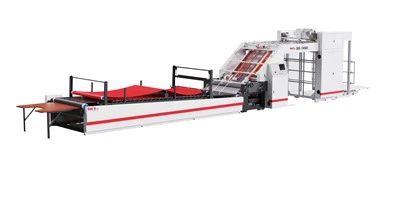
As a supplier of the M12 Series, I am often asked about the heat dissipation performance of these remarkable products. In this blog, I will delve into the intricacies of the heat dissipation capabilities of the M12 Series, exploring the science behind it, the factors influencing it, and how it compares to other alternatives in the market. M12 Series
The Science of Heat Dissipation in the M12 Series
Heat dissipation is a critical aspect of any electronic device, as excessive heat can lead to performance degradation, reduced lifespan, and even system failures. The M12 Series is designed with advanced heat dissipation technologies to ensure optimal performance and reliability, even under demanding conditions.
At the heart of the M12 Series’ heat dissipation system is a combination of passive and active cooling techniques. Passive cooling relies on the natural transfer of heat from the device to the surrounding environment through conduction, convection, and radiation. The M12 Series features a high – quality heat sink made of aluminum alloy, which has excellent thermal conductivity. The heat sink is designed with a large surface area to maximize the contact with the air, allowing for efficient heat transfer.
In addition to the passive heat sink, the M12 Series also incorporates an active cooling mechanism in the form of a fan. The fan helps to increase the airflow around the heat sink, enhancing the convective heat transfer process. This combination of passive and active cooling ensures that the device can effectively dissipate heat, keeping the internal components at a safe operating temperature.
Factors Influencing Heat Dissipation Performance
Several factors can influence the heat dissipation performance of the M12 Series. One of the most significant factors is the power consumption of the device. The M12 Series is available in a range of configurations, each with different power requirements. Higher – power configurations generate more heat, which can put additional strain on the heat dissipation system.
Another important factor is the ambient temperature. The heat dissipation efficiency of the M12 Series is directly affected by the temperature of the surrounding environment. In hot environments, the temperature difference between the device and the surroundings is reduced, which can slow down the heat transfer process. To compensate for this, the fan may need to run at a higher speed, which can increase noise levels.
The usage pattern of the device also plays a role in heat dissipation. Continuous, heavy – duty usage will cause the device to generate more heat compared to intermittent or light – duty usage. Therefore, it is important for users to understand their usage requirements and choose the appropriate M12 Series model accordingly.
Testing and Validation of Heat Dissipation Performance
Before the M12 Series products are released to the market, they undergo rigorous testing to ensure their heat dissipation performance meets the highest standards. These tests are conducted in a controlled environment, simulating a variety of operating conditions, including different power loads, ambient temperatures, and ventilation levels.
During the testing process, the temperature of the internal components is monitored using thermal sensors. The data collected from these sensors is analyzed to determine the effectiveness of the heat dissipation system. If the temperature exceeds the recommended operating limits, adjustments are made to the design, such as increasing the size of the heat sink or optimizing the fan speed control algorithm.
In addition to laboratory testing, real – world field tests are also carried out. These tests involve deploying the M12 Series devices in actual customer applications to validate their performance under practical conditions. Feedback from these field tests is used to further improve the heat dissipation design and ensure the long – term reliability of the products.
Comparison with Other Alternatives
When comparing the heat dissipation performance of the M12 Series with other similar products in the market, several advantages become apparent. Firstly, the combination of passive and active cooling techniques in the M12 Series provides a more comprehensive and efficient heat dissipation solution compared to some products that rely on only passive cooling. This means that the M12 Series can handle higher power loads and operate in more challenging environments without overheating.
Secondly, the M12 Series is designed with a focus on energy efficiency. The fan in the M12 Series is equipped with a smart speed control system, which adjusts the fan speed based on the temperature of the device. This not only helps to reduce power consumption but also minimizes noise levels, making the M12 Series an ideal choice for applications where noise is a concern.
Application – Specific Heat Dissipation Requirements
The M12 Series is used in a wide range of applications, each with its own unique heat dissipation requirements. For example, in industrial automation settings, the M12 Series devices may be installed in control cabinets or on production lines, where space is limited and ventilation may be poor. In such applications, the high – efficiency heat dissipation capabilities of the M12 Series are crucial to ensure reliable operation.
In the field of transportation, the M12 Series is used in vehicles, such as trains and buses, where the devices need to withstand high – vibration environments and fluctuating temperatures. The advanced heat dissipation design of the M12 Series helps to protect the internal components from damage caused by heat and ensures the stability of the vehicle’s electrical systems.
For data centers, where large numbers of M12 Series devices may be deployed, heat dissipation is a major concern. The high – performance heat dissipation system of the M12 Series helps to reduce the overall cooling requirements of the data center, saving energy and reducing operating costs.
Maintenance and Optimization of Heat Dissipation Performance
To ensure the long – term heat dissipation performance of the M12 Series, regular maintenance is required. This includes cleaning the heat sink and the fan to remove dust and debris, which can accumulate over time and reduce the effectiveness of the heat dissipation system. It is also important to check the fan for proper operation and replace it if necessary.
In addition to maintenance, users can optimize the heat dissipation performance of the M12 Series by ensuring proper installation. The device should be installed in a well – ventilated area, away from sources of heat and with sufficient clearance around the heat sink and the fan. Users should also avoid overloading the device beyond its recommended power capacity.
Conclusion and Contact for Purchase

In conclusion, the heat dissipation performance of the M12 Series is among the best in the industry. Through a combination of advanced passive and active cooling technologies, rigorous testing, and application – specific design, the M12 Series offers reliable and efficient heat dissipation, even in the most challenging environments.
Automatic Feeder Die Cutter If you are interested in purchasing the M12 Series products for your application, we invite you to contact us for further discussion. Our team of experts can provide you with detailed information about the product specifications, price, and delivery options. We are committed to providing you with the highest – quality products and services to meet your needs.
References
- Thermal Management Handbook for Electronic Devices, 3rd Edition. McGraw – Hill.
- Principles of Heat Transfer, 8th Edition. John Wiley & Sons.
- Industry – Standard Reports on Electronic Device Cooling Technologies.
Zhejiang Dai’s Printing Machine Co., Ltd.
Zhejiang Dai’s Printing Machine Co., Ltd. is one of the most experienced m12 series machine manufacturers and suppliers in China, also supports customized service. Please rest assured to buy bulk durable m12 series machine at low price from our factory. For pricelist, contact us now.
Address: No. 797, Nanming Road, Shuige Industrial Park, Liandu District, Lishui City, Zhejiang Province, P.R. China
E-mail: 3376094828@qq.com
WebSite: https://www.dais-machine.com/
