Hey there, onion lovers! As someone who’s spent the last 8 years running my small fresh onion supply business, I’ve had more than my fair share of “uh-oh” moments with spoiled onions. Last year, I had a batch of yellow onions go mushy in a storage shed when a rain leak snuck in—cost me almost $1,200 and a whole week of stress. That’s when I realized preserving fresh onions isn’t just a “set it and forget it” thing. It’s part science, part common sense, and if you get it right, you’ll cut waste, save money, and keep those crispy, flavorful onions going for months. Today, I’m spilling exactly how I do it—no fancy lab gear, just stuff anyone can pull off, whether you’re a home cook, a local restaurant, or a small grocery owner I supply. Fresh Onion
First, let’s start with the basics: not all onions are created equal when it comes to storage. I get asked all the time, “What kind of onions last the longest?” The short answer is storage onions—think yellow, red, and white varieties (the ones I bulk supply most of). Sweet onions, like Walla Walla or Vidalia, are way more fragile—they have higher moisture and sugar content, so they only last a few weeks max. So if you’re stocking up on storage onions, pick firm, dry ones with no soft spots, sprouts, or blemishes. I always tell my team to sort through every single load before it leaves my farm: if an onion has even a tiny bruise, it goes to the local market for sale that same day, not into long-term storage. Bruises let bacteria in, and one bad onion can turn a whole bin mushy fast. Trust me, I learned that the hard way after a batch with a cracked onion contaminated the rest.
Now, the big one: the perfect storage conditions. Onions are weird—they hate both too much moisture and too much cold. Let’s break it down, because this is where most people mess up. First, temperature: I keep my bulk storage rooms at 32°F to 40°F (0°C to 4°C). Wait, that’s right—just above freezing. But here’s the catch: if you stick onions in your regular fridge crisper (which is usually around 35°F to 40°F but super humid), they’ll turn soggy in a week. The humidity for onions needs to be low—around 65-70%. That’s why a lot of people store onions in plastic bags, which trap moisture, and wonder why they go bad. I know it’s tempting, but skip the plastic. Even the mesh bags they come in at the grocery store? Only use those if you’re using them within a week. For long-term, you need air flow.
Air flow is non-negotiable. I’ve tried cardboard boxes, old produce crates, even burlap sacks—here’s what works best for me: wire mesh bins. They’re cheap, they let air circulate from every side, and I can stack them without squishing the onions. If you’re storing at home, old grocery produce bags with holes poked in them work too, or even a clean paper bag with a few slits. Never store onions in a sealed container—no plastic tubs with lids, no zip-top bags. I learned this when my little brother stored a bag of onions in his closet in a plastic bucket and they grew mold in 2 days. Gross, right?
Another rule: keep onions away from other veggies that make moisture or ethylene gas. Ethylene is that ripening gas that apples, potatoes, and bananas give off. Potatoes are the worst combination—they make onions turn sprouted and soggy fast. I always keep my onion storage bins separate from potato bins, even in different parts of the warehouse. For home cooks, that means don’t store your onions next to potatoes, garlic, or even tomatoes. I keep mine on a open shelf in my pantry, away from the back wall where it gets damp.
Now, let’s talk about specific methods, because sometimes you don’t have a fancy storage room. Let’s start with bulk storage (for restaurants, retailers, or anyone stocking 50+ pounds like I do). After sorting, I let the onions cure for 2 weeks first. Wait, curing is a step most people skip! How do you do it? Just spread them out in a single layer in a cool, dry, shaded spot (like a porch or garage) for 2 weeks. The skins will dry out, the roots will harden, and that helps lock in freshness. If it rains, I cover them with a tarp—moisture is the enemy here. Once they’re cured, I cut the roots and trim the tops to about 1 inch, then put them in those wire bins I mentioned. I check them every 2 weeks—pull out any onions that have soft spots right away, because they release moisture that ruins the rest.
For home cooks who only need a few pounds, what works? The pantry trick is great, but if your pantry is humid (like mine is in summer), I use a hanging mesh bag. I bought a cheap one at the hardware store, put onions in it, and hung it from a hook in my kitchen that’s away from the stove (the stove’s heat makes them sprout). That’s lasted me 3 months before, no problem. If you have to use the fridge (like if your kitchen is too hot and humid), here’s the hack: peel the onion, chop it up, put it in an airtight container with a paper towel to absorb moisture, and it’ll last 10 days. But don’t store whole onions in the fridge—they’ll get soggy. I learned that the hard way last year when I left a whole yellow onion in my crisper for 3 weeks and it was soft and mushy when I pulled it out for taco night.
What about freezing onions? If you need to store them longer than that, freezing works great, but only for cooked uses. I don’t recommend freezing whole onions for raw dishes, but if you chop them up and toss them in soups, stir-fries, or burgers later, it’s perfect. How I do it: chop the onions, spread them in a single layer on a baking sheet, freeze them for 2 hours, then pop them into a zip-top bag. That way, they don’t clump together, and you can take out as much as you need. They’ll last up to 6 months in the freezer. I use this all the time for my restaurant clients who go through a ton of onions—they buy a bulk batch, freeze half, and use the other half fresh.
Wait, what about sprouted onions? A lot of people throw sprouted onions away, but that’s such a waste! As long as the onion is firm (no soft spots or mold), sprouted onions are totally fine to eat. The sprout just takes away a little bit of sweetness, but they still taste great in cooking. I usually just pluck the sprout out and use the onion like normal. I’ve had customers tell me they thought sprouted onions were bad, so they toss them—now I always make sure to mention that when I deliver a batch, it’s a little tip that saves them money.
Now, let’s talk about common mistakes I see all the time, because these are the things that make people’s onions go bad fast. First, storing onions and garlic together—garlic hates moisture too, but onions can make garlic go moldy, and vice versa. Second, not curing them first. If you pick onions from your garden or get them from the store, don’t stick them in storage right away—give them that 2 week cure. Third, using plastic bags. I can’t stress this enough—plastic traps moisture, and onions rot in moisture. Fourth, checking your storage regularly. If you don’t pull out bad onions, it’s like leaving a rotten apple in a fruit bowl—everything else goes bad. I do a bin check every Friday, even when I’m swamped with deliveries, because it’s way easier than dealing with a whole batch of spoiled onions.
As a fresh onion supplier, I know how important it is for my clients to reduce waste. A restaurant that throws away 10 pounds of onions a week because they didn’t store them right is leaving money on the table. That’s why I include a little storage cheat sheet with every bulk delivery I make—with these exact tips, plus a note that if they have questions, I’m just a call or text away. I don’t do fancy corporate stuff, I’m just a guy who grows onions and wants my customers to get the most out of what I supply.
At the end of the day, preserving fresh onions is all about controlling moisture and giving them air. It’s not rocket science, but it does take a little attention. I’ve been doing this for 8 years, and my best batches always follow these rules: sort first, cure properly, keep them cool and dry, with air flow, and check them regularly. Skip the fridge for whole onions, skip plastic, and don’t panic if they sprout. Trust me, if you do this, your onions will last 3-6 months, which means less waste, more money saved, and way more crispy, flavorful onions for your dishes.
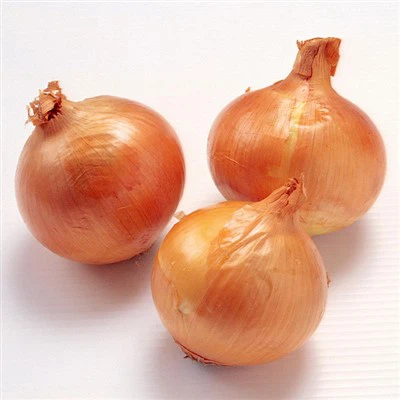
If you’re a restaurant owner, grocery manager, or just need a reliable fresh onion supplier, hit me up to chat about bulk orders. I can get you consistent, high-quality onions that last when stored right, plus I’ll even throw in that storage cheat sheet for free. Don’t hesitate to reach out—whether you need 50 pounds or 5,000 pounds, I’ve got you covered.
Normal White Garlic References:
- Food and Agriculture Organization of the United Nations. Onion storage best practices.
- University of California Agriculture and Natural Resources. Storage and handling of fresh produce.
- National Onion Association. Post-harvest management guidelines for onions.
Nine Three Import and Export Co., Ltd.
We’re well-known as one of the most experienced fresh onion suppliers in China. We warmly welcome you to wholesale bulk high quality fresh onion at competitive price from our factory. If you have any enquiry about cooperation, please feel free to email us.
Address: No.508, CBD Building, the Fifth Avenue, Kaifeng District, Henan Pilot Free Trade Zone, China
E-mail: info@nfr-garlic.com
WebSite: https://www.nfr-garlic.com/
