Hey everyone,
If you’ve ever stared at your closet the night before a job interview, wondering why every bag you own either looks too slouchy for a big presentation or too stiff to feel like “you,” you’re not alone. As someone who’s been in the bag industry for years, I’ve talked to dozens of job candidates who stressed over this exact thing—so today, I’m breaking down how to pick a bag that’s not just a carrier, but a tiny part of your interview confidence. No stuffy rules, no overcomplicated trends, just practical stuff that works. Bags
First off, let’s get one thing straight: your bag isn’t supposed to “wow” the interviewer. It’s supposed to be functional, not distracting. I once had a sales rep come in with a canvas tote covered in band logos and a dent from a laptop he’d stuffed into it—he was perfect for the job, but that tote made it hard for the hiring manager to focus on his pitch. On the flip side, a client of mine (she’s a marketing specialist) nailed her last interview with a simple leather tote—she had all her printouts organized, her resume crisp, and the bag didn’t take up half the table during her chat. So function always beats flashy here.
Let’s start with the basics: size. You don’t need a rolling suitcase, and you definitely don’t need a tiny crossbody that can only fit a lip balm and a key. For most interviews, your bag should fit three things easily: your laptop (yes, even if the job is in marketing—hire managers want to see you’re serious about your work materials), a small notebook or notepad, and a copy of your resume (some people still prefer physical copies, and it’s way more professional than a phone open to your LinkedIn). If it’s a creative role, you might need extra space for a portfolio, but stick to a slim portfolio bag—not a huge rolling tote that makes you look like you’re moving in. For entry-level roles, you can go a little smaller, but still make sure it fits a standard 13-inch laptop—no one wants to juggle a laptop and a resume while shaking hands.
Next, material. This is where personal style meets interview tone. If you’re going for a corporate job (finance, law, accounting), skip the cheap synthetic fabrics that look shiny or wrinkled. Leather (genuine or high-quality faux, don’t get me wrong) is your go-to here—it looks polished, lasts, and doesn’t slump if you set it on the floor. I recommend a structured briefcase or a slim leather tote for these roles—no soft-sided bags that look like they’ll fall apart. For creative roles (graphic design, content creation, event planning), you can lean into a nicer canvas or woven bag, but make sure it’s not too casual. A thick, unpatterned canvas tote with leather accents works for these gigs—just avoid anything with slogans, logos, or ripped edges. For remote interviews (wait, yes—you’ll usually have a backdrop, but your bag will be visible in the background on video calls), stick to a neutral material: black, brown, navy, or gray. Bright red or neon green might pull attention away from you, even on a screen.
Now, style. Let’s talk about shapes, because this matters a lot more than you think. Structured bags are always safer than slouchy ones—they don’t fold over, they look intentional, and they’re easier to keep organized. A briefcase is classic, but if briefcases feel too old-school, a slim tote with a flat bottom works just as well. Crossbody bags? I’d say skip them for in-person interviews, unless it’s a very casual startup (and even then, test it: if you’re reaching for your resume, a crossbody can slip off your shoulder). Backpacks are a hot button for a lot of people—some say they’re too student-y, others say they’re practical. My take: if you’re in tech, startup, or a field where everyone uses backpacks, a slim, leather-trimmed backpack works. But if you’re in corporate, stick to a briefcase or tote—backpacks can make you look like you’re running to class, not to a job interview.
Wait, let’s not forget the details that people overlook. Handles: if your bag has short handles, make sure they’re long enough to fit over your arm—you don’t want to be holding it by your side like a grocery bag while you’re talking. Zippers: get a bag with a secure zipper or a snap closure. Nothing’s worse than your resume falling out on the way into the interview. Pockets: inside pockets are a game-changer—you can keep your pen, extra resume, and lip balm separate, so you don’t have to rummage through everything to find what you need. And no, don’t bring a bag that smells like your gym clothes or last week’s lunch—spray it with a little fabric freshener the night before, or wipe it down if you need to.
Let’s run through specific roles, because I get that different jobs have different vibes. For corporate roles (finance, law, consulting): structured leather briefcase or slim leather tote, neutral color, fits 15-inch laptop, organized pockets. For creative roles (design, media, writing): canvas or leather-trimmed tote, unpatterned, fits portfolio/laptop. For tech/startup roles: slim leather backpack or minimalist tote, works with casual dress code. For entry-level roles: small leather tote or nice crossbody (only if it’s secure), fits a notebook and resume—no laptop needed if the job doesn’t require it.
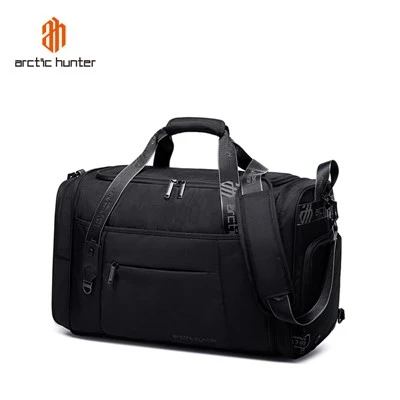
Common mistakes people make here: using a frayed canvas backpack from college, bringing a big duffel bag that looks like you’re moving, or a tiny clutch that can’t fit your materials. I once had a candidate come in with a fanny pack—don’t do that. Even if it’s “in style,” it looks too casual for an interview. Another mistake: a bag with a logo that’s too big, or a slogan—save that for a festival, not a job chat. And don’t buy a bag the day before if you can avoid it—break it in a little. A stiff leather bag will feel awkward if you’re not used to carrying it, and you might fumble with it during your handshake.
Wait, what about secondhand bags? I get that budget is a thing. If you’re buying secondhand, make sure it’s in good condition—no stains, no broken zippers, no loose handles. A gently used leather briefcase from a vintage shop can look way more professional than a cheap new one from a fast-fashion store. Just clean it up a little, and it’ll work.
Last little tip: when you get to the interview, set your bag on the floor next to your chair, not on the table. It takes up too much space, and it can make the table look cluttered. If there’s a coat rack, hang it there—if not, the floor right by your feet is perfect.
At the end of the day, your bag is just a tool to help you look put-together, not a focal point. It should fade into the background so the interviewer is focused on your skills and your pitch.

If you’re looking for a bag that checks all these boxes—functional, polished, tailored to your role—we’ve got a range of options for every industry and budget. We work with candidates, HR teams, and small businesses to make sure you find something that fits your needs. Hit us up to chat through what you’re looking for, and we can help you pick the perfect bag for your next interview.
Backpacks References:
- American Management Association. (2022). Workspace Essentials: Professional Presentation Guide.
- Fashion Institute of Technology. (2021). Professional Apparel and Accessories for Career Success.
- Society for Human Resource Management. (2020). Candidate Presentation Best Practices.
- Business Style Handbook. (2019). Bag Selection for Professional Interviews.
- Harvard Business Review. (2018). Small Details That Shape First Impressions.
Guangzhou Leading Wolf Leather Products Co., Ltd.
We are one of the most experienced bags manufacturers and suppliers in China since 2009. With a professional production team, we are able to meet the needs of the majority of our customers. We warmly welcome you to buy bulk custom made bags from our factory. Join our distributor recruitment program now!
Address: Floor 1-3, Building A, No. 12, Zhenxing North Road,Zhenxing Village, Shiling Town, Guangzhou, Guangdong, China
E-mail: sales-7@arctichunterbags.com
WebSite: https://www.arctichunter.com/
