If you’re reading this as someone in air cargo—whether you’re a ground handler, airline operations lead, or even a small freight forwarder—you know ULDs are way more than just metal boxes pallets. They’re the backbone of how air cargo moves around the world. For 12 years now, I’ve run a ULD supply business, and I’ve spent almost every day of that time talking to clients who gripe about the same old problems: damaged ULDs sitting in terminals, delays because a wrong ULD’s on the tarmac, or sky-high repair bills eating into small profit margins. Lately, though, I’ve been seeing three big shifts that aren’t just industry buzzwords—they’re the future of ULDs, and I want to break them down like I would to a regular customer, not a consultant. ULD

First up: smart ULDs that don’t just hold cargo, they work for you. A couple years back, we started testing small GPS trackers on our lightweight pallets for a regional airline client. They came back to us a few months later saying they’d cut lost ULD claims by 40% that year. That’s when I realized this wasn’t a trend—it was a necessity. Now, we’re working on our next generation: ULDs with embedded sensors that track not just location, but temperature, humidity, even vibration. For pharma and perishables (fresh produce, vaccines, seafood), a broken ULD sensor means a $10,000 shipment ruined before it even takes off. But the data these sensors collect doesn’t just prevent losses—it helps us make better products. Last quarter, a ULD on a flight from Singapore to Dubai recorded a 15-degree swing mid-turbulence; we used that data to adjust the shock-absorption in the next batch of lightweight containers we shipped to that client. These aren’t fancy toys—they’re tools that solve real pain points. We’ve also seen a lot of interest in cloud-based dashboards that let clients track their entire ULD fleet in one place, no more logging into 5 different airline portals to check where a pallet is.
Second: the shift away from all-metal ULDs, but not the cheap “one-and-done” plastics that fall apart after a few trips. For decades, aluminum was king for ULDs—it’s light enough to save fuel, strong enough for heavy cargo. But it dents, corrodes, and costs a fortune to repair. The new wave here is high-performance composite materials, but not the kind used in airplanes that cost more than the ULD itself. We’ve been testing a carbon fiber-reinforced polymer (CFRP) pallet for a large European cargo carrier, and their report blew me away: it’s 20% lighter than aluminum, so they burn less fuel per flight, it’s 3x more resistant to corrosion, and repair costs are half what aluminum costs when you fix a dent. Wait, you say—CFRP was too expensive? A year ago, we would’ve agreed. But as production scales up, the cost has dropped 35% in the last 18 months. We’re now in the final stages of a pilot with a major Asian airline, and we expect to roll this new composite pallet out to our regular clients by early next year. The catch here is you can’t just swap a new ULD for your old ones—fleets have to align with aircraft specs (like the LD3 container size that fits 737s vs. the larger LD1 for 777s), but that’s a small adjustment for the savings.
Third: circular ULD systems, not just selling new boxes. For too long, the industry treated ULDs as disposable—sell a new one, repair the broken ones a few times, then scrap them when they’re too banged up. That’s 20 years out of date. Right now, we’re running a trade-in program where clients send their old ULDs back to us, and we refurbish them, not just patch dents. We fix structural issues, replace worn locking mechanisms, and even retrofitting old smart sensors if they want. A client who traded in 10 aluminum pallets last quarter saved 25% vs. buying new ones, and we only had to scrap 1 of those 10—way less than the 4 we would’ve scrapped if they’d just thrown them away after 15 trips. We’re also starting a shared ULD pool for small freight forwarders who can’t justify owning a full fleet. Last month, a group of 6 forwarders in Miami split the cost of a shared fleet of 20 ULDs, and they reported a 18% drop in their annual ULD expenses because they don’t have to store them between shipments. The UN’s International Civil Aviation Organization (ICAO) even released a report last year saying that 40% of air cargo emissions come from ground operations, and shared, refurbished ULDs cut fuel use by reducing excess weight in the air. That’s not just good for business—it’s good for the planet, and more and more clients are asking for that.
Now, let’s be honest: there are growing pains here. A lot of smaller airlines can’t afford to switch to composite ULDs overnight, and retrofitting old fleets with smart sensors costs money upfront. But that’s why we’re not just a supplier—we’re a partner. We offer flexible payment plans for clients who want to test the new composites, and we do free on-site audits to show them exactly how much they’re spending on damaged ULDs, lost shipments, and repairs. Last week, a client in Houston came to us saying their ULD repair costs were $120,000 a year. We did an audit, found 10% of their ULDs were lost every quarter because of bad tracking, and worked out a plan where we’d add smart sensors to half their fleet, offer refurbished composite pallets at a 15% discount, and cut their total ULD costs by 30%—and they didn’t have to pay a big upfront fee. That’s the kind of thing that doesn’t make the industry news, but it’s what makes our business work.
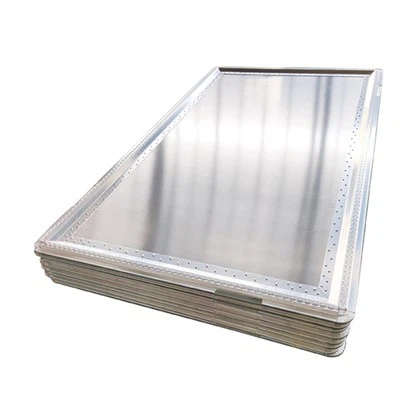
I’ve been in this long enough to know that the best trends aren’t the shiny new toys. They’re the ones that make your job easier, keep your cargo moving, and save you money. If you’re tired of ULDs that break mid-route, or can never find the one you need on the tarmac, I’d love to sit down, go over your fleet, and talk about how we can adjust to these future trends together. Feel free to reach out to set up a procurement consultation.
Dolly References:
- International Air Transport Association. (2023). Global Air Cargo ULD Efficiency Report.
- International Civil Aviation Organization. (2022). Sustainability in Air Cargo Ground Operations.
- Cargo Facts Consulting. (2024). ULD Material Trends and Market Forecast.
- World Health Organization. (2023). Cold Chain Logistics for Pharmaceutical Air Cargo.
Wuxi Aviation Ground Equipment Co., Ltd.
Wuxi Aviation Ground Equipment Co., Ltd. is well-known as one of the leading uld manufacturers and suppliers in China. Please rest assured to buy or wholesale discount uld for sale here from our factory. For price consultation, contact us.
Address: No.18 Dingxiang East Road, Hudai Town, Binhu District, Wuxi, Jiangsu, P.R. China
E-mail: sales@wxagecl.com
WebSite: https://www.wxagecl.com/
