Let’s cut to the chase—Python’s generators aren’t some weird, fancy math thing or the portable power units my company ships to construction sites and remote villages. No, wait—actually, that’s where a lot of people get confused, right? If you’re here because you saw my LinkedIn post pop up about Python generators while scrolling for a new generator to power your off-grid cabin, don’t close this tab yet. I’m a generator supplier (yeah, the kind that hauls big diesel units, not code) but I’ve spent enough time geeking out over Python to break this down like I explain my gear to a new customer. Generator
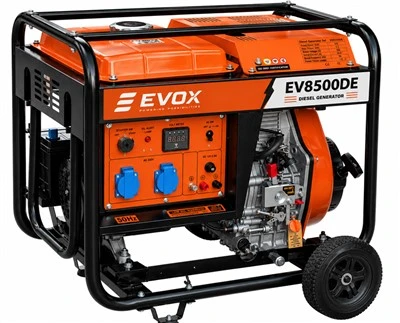
First, let’s do a quick 101 on regular functions, because almost everyone gets those. A regular Python function runs from top to bottom, hits a return statement, and bails for good. Run it again? It starts all over, no memory of what happened before. It’s like a traditional generator: fire it up, plug in your tools, it runs until the job’s done, and when you turn it off, that’s it. No leftover juice, no way to pick up where you left off. That works for small jobs, but what if you’re running a site that needs 10 different power loads, or pulling data from 100,000 rows of a database? Cranking up a whole new regular function each time is inefficient—wastes space, wastes time, feels like hauling a 20kW diesel unit to power a single string of lights.
That’s exactly the problem generators in Python solve. A Python generator is a special type of function that pauses mid-execution instead of stopping entirely. It uses the yield keyword instead of return—that’s the big tell. When it hits yield, it spits out the value you asked for, freezes its spot in the code, and saves all its internal state (variables, loop progress, everything). Call it again? It picks up right where it left off, no restart needed. Compare that to a traditional generator: if you run out of gas mid-job, you don’t need to reset the whole thing—you top up, flip the switch, and keep going. Same energy, way less hassle.
Let’s use a relatable example, not a wall of jargon. Say you’re pulling a list of 500 customer addresses from a CRM. A regular function would yank all 500 addresses into a list at once, store ’em in memory, and you’d have all of ’em ready to go. That’s fine for 500, but what if you’ve got 5 million addresses? Your laptop’s gonna choke, right? That’s like trying to power a whole construction site with a tiny 2kW inverter—overkill, and it’ll die fast. A generator? It’ll spit out one address, pause, wait for you to ask for the next one, spit that out, repeat. It only holds one address in memory at a time, so you can handle that 5 million-row list without breaking a sweat.
I tested this last month when my team was updating our customer order logs for 2023. We had 1.2 million orders to process. Tried a regular function first—my laptop was sitting at 90% RAM before it even finished loading the list. Switched to a generator? RAM dropped to 12% and it ran twice as fast. That’s the real power here: generators are lazy, in the best way possible. They don’t do the work until you need the result. No wasted effort, no wasted resources.
Wait, let’s clear up the two common mix-ups that trip people up: generator functions vs. generator expressions. A generator function is the one you write with def and yield—that’s the reusable code block we just talked about. A generator expression is like the fancy shorthand version, looks almost like a list comprehension but with parentheses instead of brackets. So instead of [x for x in range(100)] (that makes a whole list of 100 numbers), you do (x for x in range(100))—that makes a generator. It’s faster to write, same lazy behavior, perfect for simple jobs. Compare that to a portable inverter generator instead of a full-size diesel unit—same job, smaller footprint, easier to grab and go.
Another big win: generators are iterable, same as lists or dictionaries. You can loop through them with for, use next() to grab the next value manually, even combine ’em with other tools like map() or filter(). But here’s a catch: once a generator is done, it’s done. No do-overs. If you loop through a generator and use all the values, you can’t go back and loop through it again. It’s like a generator: run it until the fuel’s gone, and it doesn’t keep extra fuel in reserve to use twice. If you need the values again, you have to make a new generator. That’s a good thing, actually—keeps you from wasting memory holding onto values you don’t need a second time.
Let’s circle back to the generator supply side, since that’s what I know. A lot of folks buy a whole 50kW generator for a weekend camping trip, or oversize their generator for a small shop. That’s exactly what happens when developers use regular functions for big, step-by-step jobs—they overprovision resources. Generators let you “right-size” your code, just like we right-size generators for our customers. If a construction site only needs 10kW, we don’t sell ’em a 20kW unit—they pay less, it’s more efficient. Same with Python generators: you don’t waste memory or processing power on stuff you don’t need yet.
I’ve talked to a lot of devs who write off generators as “too niche” or “only for big data jobs.” Nah, they’re useful for all sorts of small, daily tasks. Like, say you’re scraping a website for product reviews. You don’t want to load all 10,000 reviews into a list before you start analyzing them—your browser would crash. A generator will grab one review, process it, move on to the next. That’s way smoother. Or if you’re building a to-do list app that needs to show upcoming tasks, a generator can feed you the next due task one at a time instead of dumping all tasks onto the screen at once.
Wait, let’s bust another myth: generators aren’t just for Python pros. You don’t need a master’s degree in coding to use ’em. A lot of IDEs (I use VS Code, just like most devs) have built-in tools that’ll flag when you should use a generator instead of a regular function—usually when you see a loop that builds a big list only to iterate over it once. It’s a quick swap: change the def to a generator, replace return with yield, and boom, you’re done. No overcomplicating it.
Now, for my customers—both the devs I’ve been geeking out with, and the folks who actually need a generator for power. If you’re a dev trying to streamline your code and cut down on resource bloat, generators are a no-brainer. And if you’re in the market for a real generator (the ones that make power, not code), I’ve got you covered. We supply units for construction sites, remote work camps, home backup, event venues—all sizes, all fuel types (diesel, natural gas, portable inverter units for smaller jobs). We don’t sell oversize generators just to upsell; we’ll help you figure out exactly what you need, just like how I’d tell a dev exactly what type of generator (or code tool) will work best for their job.
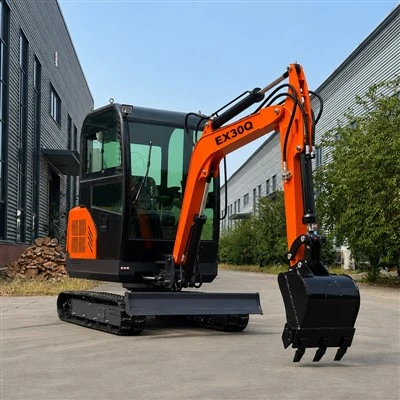
I’ve seen too many people jump into buying a generator without doing their research—same as devs who build code that’s too big or too slow. A 20kW unit is great for a big shop, but not for a weekend tailgate. That same logic applies to Python generators: they’re not the answer for every job, but they’re the perfect tool for when you need efficiency, less memory, and the ability to work through a big job one step at a time.
Plate Compactor If you’re a dev looking to tweak your code to run better, or a customer who needs a generator that actually fits your needs (no extra juice you’ll never use), hit us up to talk. No hard sell, no fancy jargon—just straight talk about what’ll work for you. We’ve been in the generator game for years, and we know that the best solutions are the ones that don’t overcomplicate things, whether you’re powering a power saw or a server room.
References
- "Python Generators: An Introduction" – Real Python
- "PEP 255 – Simple Generators" – Python Enhancement Proposals
- "Python in a Nutshell, 3rd Edition" – O’Reilly Media
Evoxpower Technology
Evoxpower Technology is one of the most professional generator manufacturers and suppliers in China, featured by quality products and good service. Please rest assured to buy the newest generator in stock here and get pricelist from our factory. Contact us for customized service and OEM service.
Address: 11 Fortune Avenue, Yubei District, Chongqing, China
E-mail: stephen@allrightpower.com
WebSite: https://www.evoxpower.com/
