Hey there! I’m a supplier of other auxiliary equipment, and today I wanna chat about the humidity resistance requirements for this kind of gear. Other Auxiliary Equipment
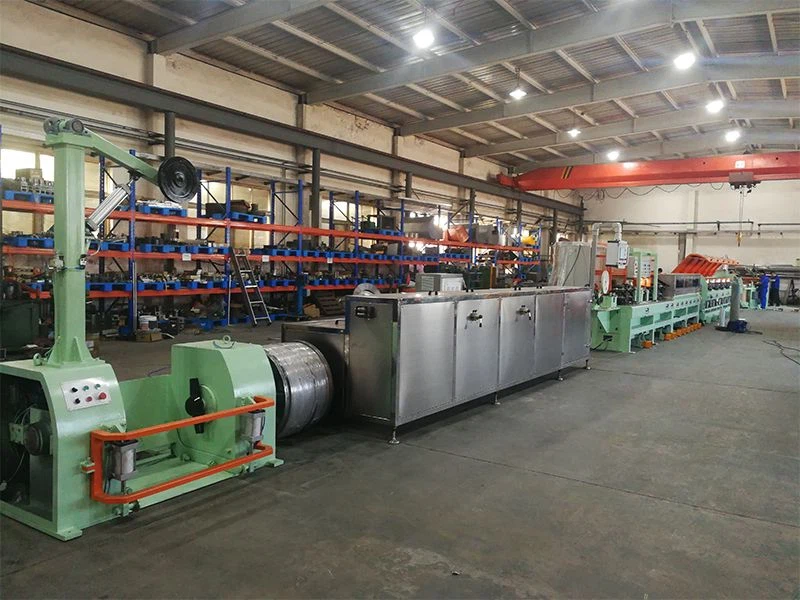
First off, let’s understand why humidity resistance is such a big deal. Humidity can mess with the performance and lifespan of our auxiliary equipment big time. When there’s too much moisture in the air, it can cause corrosion, short – circuits, and all sorts of other problems. For example, in a high – humidity environment, metal parts can rust, and electronic components can malfunction due to moisture ingress.
Now, different types of auxiliary equipment have different humidity resistance needs. Let’s start with electrical auxiliary equipment. Things like control panels, sensors, and power supplies need to be able to withstand a certain level of humidity. Usually, for indoor electrical equipment, a relative humidity range of 30% – 70% is considered okay. But in more humid areas, like coastal regions or places with a lot of water vapor, we might need equipment that can handle up to 90% relative humidity.
For example, a control panel in a factory near the sea has to be built with materials that are resistant to corrosion. We use special coatings on the metal parts to prevent rust. And the circuit boards inside are sealed to keep the moisture out. If we don’t do these things, the control panel can start acting up, giving false readings or even shutting down completely.
Then there are mechanical auxiliary equipment. Stuff like pumps, valves, and conveyor belts. These also face challenges from humidity. High humidity can cause the lubricants in the moving parts to break down faster. The moisture can seep into the bearings and cause wear and tear. For mechanical equipment, we often aim for a relative humidity of less than 75%.
Let’s take a pump as an example. In a humid environment, the impeller and the housing of the pump can corrode. So, we use stainless steel or other corrosion – resistant materials for these parts. And we also make sure to keep the pump well – lubricated. We choose lubricants that are designed to resist moisture and prevent rust.
Another type of auxiliary equipment is the ventilation and air – conditioning systems. These systems are actually responsible for controlling the humidity in a space, but they also need to be able to operate in different humidity conditions. They should be able to handle high humidity when they’re dehumidifying a space. And they also need to work efficiently in low – humidity environments.
The components of these systems, like the coils and the fans, need to be protected from moisture. The coils can develop mold if the humidity is too high and there’s not enough airflow. So, we use anti – microbial coatings on the coils and design the systems to have good ventilation.
Now, let’s talk about how we test the humidity resistance of our auxiliary equipment. We use a variety of methods. One common way is to put the equipment in a humidity chamber. We can control the temperature and humidity inside the chamber to simulate different real – world conditions. We’ll run the equipment for a certain period of time, say a few weeks or months, and then check for any signs of damage or malfunction.
We also do field tests. We install the equipment in different locations with varying humidity levels and monitor its performance over time. This gives us a better idea of how the equipment will actually perform in the real world.
As a supplier, we make sure to meet these humidity resistance requirements. We source high – quality materials and use advanced manufacturing techniques. For example, when we’re making electronic components, we use a process called conformal coating. This is a thin layer of polymer that we apply to the circuit board to protect it from moisture, dust, and other contaminants.
In addition, we offer after – sales support. If our customers have any problems with the humidity resistance of our equipment, we’re there to help. We can provide maintenance services, replace parts if necessary, and give advice on how to improve the performance of the equipment in a humid environment.
If you’re in the market for other auxiliary equipment and you’re worried about humidity, don’t hesitate to reach out. We’ve got the expertise and the products to meet your needs. Whether you’re in a dry desert or a humid rainforest, we can provide you with equipment that will work reliably.
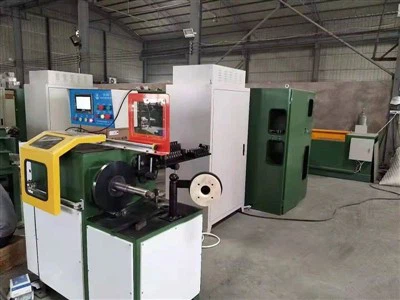
So, if you’re interested in discussing your specific requirements for humidity – resistant auxiliary equipment, just drop us a line. We’re always happy to have a chat and see how we can help you solve your problems. Let’s work together to get the right equipment for your situation.
Welding Wire Winding Machinery References:
- "Handbook of Environmental Engineering: Humidity and Moisture Control"
- "Industrial Equipment and Humidity: A Practical Guide"
- "Testing Standards for Humidity Resistance in Auxiliary Equipment"
Three Water Machinery Co., Ltd.
Three Water Machinery Co., Ltd. is one of the most reliable manufacturers and suppliers of auxiliary equipment in China. With abundant experience, we warmly welcome you to buy advanced equipment for sale here and get quotation from our factory. Contact us for more details.
Address: No.15, Jiaye Road, Liuanzhuang Industrial Park, Beichen District, Tianjin, China
E-mail: sales@eqet.com
WebSite: https://www.eqet.com/
