Hey there! As a supplier for LNG stations, I’ve seen firsthand how crucial inventory management is in this industry. It’s like the heartbeat of the operation, keeping everything running smoothly and ensuring that customers always get what they need when they need it. So, let’s dive into how LNG stations manage their inventory like pros. LNG Stations
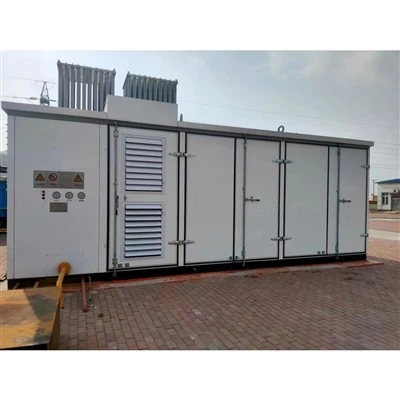
Understanding the Basics of LNG Inventory
First off, it’s important to know what LNG is. Liquefied Natural Gas, or LNG, is natural gas that has been cooled down to a liquid state for easier storage and transportation. It’s a clean and efficient energy source, and that’s why more and more LNG stations are popping up around the world.
LNG stations usually have big storage tanks where they keep the LNG. These tanks are designed to keep the LNG at a really low temperature, usually around -162°C. That’s colder than a really cold winter day by a long shot! The amount of LNG a station can store depends on the size of its tanks, and this storage capacity is a key factor in inventory management.
Planning the Inventory
One of the first steps in managing LNG inventory is planning. LNG stations need to figure out how much LNG they’re going to need in the future. This involves looking at a bunch of different things.
For starters, they check historical data. They look at how much LNG they’ve sold in the past, especially during different seasons. You see, demand for LNG can change a lot depending on the time of the year. In the winter, for example, more people use LNG for heating, so the demand goes up. By looking at past sales, stations can get a good idea of what to expect in the future.
They also keep an eye on local events and trends. If there’s going to be a big industrial project nearby that needs a lot of LNG, the station will need to stock up. And if there are new regulations or incentives that encourage more people to use LNG, that can also affect the demand.
Based on all this information, the station managers make a plan for how much LNG they need to order. They work with suppliers like me to make sure they get the right amount at the right time.
Ordering and Receiving LNG
Once the station has a plan, it’s time to place an order. This is where we suppliers come in. The station contacts us and tells us how much LNG they need and when they need it. We then arrange for the LNG to be transported to the station.
LNG is usually transported in special tankers. These tankers are like big floating refrigerators, keeping the LNG cold during the journey. When the tanker arrives at the station, the transfer process starts. The LNG is carefully pumped from the tanker into the station’s storage tanks.
During this transfer, there are a lot of safety checks. The station staff makes sure that everything is working properly and that there are no leaks. They also measure the amount of LNG being transferred to make sure it matches the order.
Monitoring the Inventory
After the LNG is in the storage tanks, the real work of monitoring begins. Stations use all sorts of high-tech equipment to keep tabs on their inventory.
There are sensors in the tanks that measure the level of the LNG. These sensors send data to a control room, where the staff can see how much LNG is left at any time. They can also see things like the temperature and pressure in the tanks. If there’s any change in these readings, it could be a sign of a problem, like a leak or a malfunction in the tank.
The staff also keeps track of the daily sales. They know how much LNG is being dispensed to customers, and they use this information to predict when they might run out. If the inventory level is getting low, they can start the ordering process again to make sure they don’t run out of LNG.
Dealing with Uncertainties
Managing LNG inventory isn’t always smooth sailing. There are a lot of uncertainties that can throw a wrench in the works.
For example, there could be a problem with the transportation. The tanker might get delayed due to bad weather or mechanical issues. In that case, the station might not get its regular supply of LNG on time. To deal with this, stations usually have some buffer inventory. This is like an emergency stock that they can use if there are any disruptions in the supply chain.
Another uncertainty is sudden changes in demand. Maybe there’s a heatwave in the middle of summer, and people start using more LNG for cooling. Or there could be a power outage in the area, and people rely more on LNG generators. In these situations, the station needs to be able to adjust its inventory management quickly.
Benefits of Good Inventory Management
When LNG stations manage their inventory well, there are a lot of benefits.
First of all, it ensures that customers are always served. No one wants to go to a gas station and find out that they’re out of fuel. By having the right amount of LNG in stock, stations can keep their customers happy and coming back for more.
Good inventory management also helps with cost control. By ordering the right amount of LNG at the right time, stations can avoid overstocking, which can be expensive. They also don’t have to worry about running out and having to pay a premium for last-minute orders.
Finally, it’s good for the environment. LNG is a clean energy source, and by managing inventory efficiently, stations can reduce waste and ensure that more of the LNG is used effectively.
Why Choose Us as Your Supplier
As a supplier, I know how important it is to work with the right team. We’ve got years of experience in the LNG industry, and we’ve built a reputation for reliability and quality.
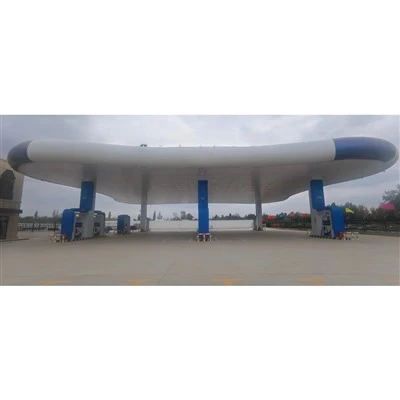
We offer flexible delivery options. Whether you need a small amount of LNG for a local station or a large shipment for an industrial project, we can make it happen. And we’re always on top of the latest safety and regulatory requirements, so you can trust that your LNG is being handled properly.
CNG Booster Compressor If you’re an LNG station looking for a reliable supplier, I’d love to talk to you. We can have a chat about your inventory needs and come up with a plan that works for you. Don’t hesitate to reach out to start a discussion about how we can work together.
References
- Natural Gas Supply Association, "Understanding Liquefied Natural Gas (LNG)"
- International Association of Liquified Natural Gas Importers, "LNG Industry Best Practices"
- Energy Information Administration, "LNG Market Trends and Analysis"
Qingdao Lenado Intelligent Equipment Co., Ltd.
Qingdao Lenado Intelligent Equipment Co., Ltd. is one of the most experienced LNG stations manufacturers and suppliers in China. We have world-leading production equipment and strong manufacturing capabilities. Please rest assured to wholesale bulk customized LNG stations from our factory.
Address:
E-mail: genkegasstation@163.com
WebSite: https://www.cnggasstation.com/
